
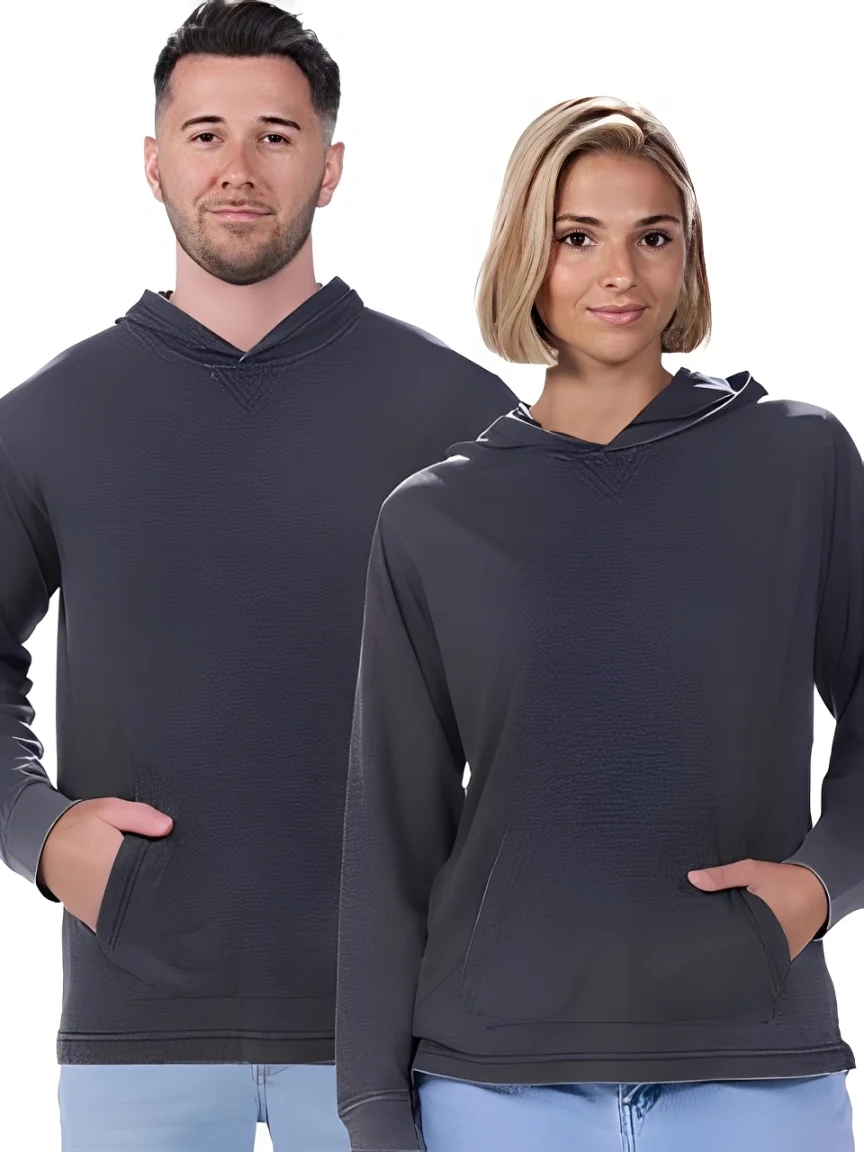
Launching a clothing line requires immense dedication and careful strategic planning. You need a trusted partner that seamlessly transforms creative concepts into wearable pieces. Finding a producer that understands your specific needs will protect your financial investment. The global market contains many producers, making the selection process quite intense.
Choosing the incorrect partner can result in delayed shipments and poor fabric quality. In this blog, we will share the essential steps to find your ideal manufacturing match.
Define Your Creative Production Requirements
Before reaching out to any factory, define your current structural needs. Do you need custom patterns or standard blank clothing items? Some brands need specific fabric dyeing techniques, while others want simple wholesale goods.
Knowing your production volume helps narrow down potential clothing manufacturing partners. You must analyze your market placement before signing any contract. Different markets require unique fabric weights and distinct assembly techniques.
At U.S. Apparel, we focus on delivering premium fashion basics. Our team manufactures versatile clothing that stands out in competitive markets. You must ensure your production partner aligns with your volume expectations from the start.
Consider these factors during your initial planning phase:
- Minimum order quantities per style
- Fabric specifications and custom colors
- Desired turn times for production
- Budget limits for bulk manufacturing
Having these details clear ensures you avoid mismatched partnerships early on.
Check for Specialized Industry Expertise
Not every factory can create every type of clothing item. A factory that excels at heavy jackets might struggle with swimsuits. You should seek out partners with experience in your exact niche. Specialized machinery remains necessary for stitching materials like stretchy knits.
Our history shows extensive experience in creating specific product lines. As a designer and manufacturer, U.S. Apparel delivers top knitwear and swimwear. Our production facilities handle delicate seams and structured garments perfectly.
Working with true specialists helps prevent costly production mistakes down the line. Experienced creators know how distinct fabrics behave during the stitching process. You will save precious time by choosing someone who knows your fabric style. This specialized knowledge directly impacts how the garments fit on retail shelves.
Assess Communication Quality and Response Times
Clear communication forms the foundation of every successful manufacturing relationship. A great producer responds to questions quickly and provides clear answers. Misunderstandings about design details can ruin an entire production batch.
You need a partner that values clarity from day one. When production adjustments become necessary, smooth communication saves entire product launches. Pay attention to how fast they reply to initial messages. Excellent partners explain their processes without hiding unexpected production difficulties.
Look for these signs of strong communication:
- Fast responses to email inquiries
- Clear explanations of manufacturing steps
- Transparent updates about production timelines
- Direct answers regarding material sourcing
If a producer ignores early questions, look for alternative options.
Review Material Samples and Assembly Standards
You must check fabric quality before committing to large orders. Request sample garments to evaluate the actual stitching and durability. A trusted partner will gladly show examples of their prior work. Look closely at the seams, hemlines, and button attachments. Carefully inspecting samples shields your business from customer returns.
High-quality clothing relies on strong assembly and excellent fabrics. Premium manufacturers create garments meant to become essential wardrobe staples. Superior retail merchandise stays durable and retains its shape after multiple wash cycles.
Testing samples helps ensure the final bulk order meets your standards. Never skip the sampling phase to save time on your schedule. Skipping this phase introduces massive operational risks that disrupt future sales.
Evaluate Domestic Versatility and Distribution Needs
Shipping logistics can significantly impact your business budget and launch dates. Working with a domestic supplier reduces shipping times and lowers transportation costs. A local partner can also adapt quickly to changing market demands. International freight blockages can leave your warehouse empty during busy retail seasons.
Choosing a domestic wholesaler makes restocking popular items much easier. Our central operations help retail brands maintain consistent stock levels. At U.S. Apparel, we efficiently distribute blank clothing. Our reliable domestic network supports your brand development.
Conclusion
Finding the correct manufacturing partner requires research and clear standards. The perfect producer aligns with your design vision and quantity needs. Focus on specialization, communication, and verified product samples during your search. A strong manufacturing partnership allows your retail business to grow smoothly.
Partner with an experienced manufacturer to elevate your product line. Let us help you create premium fashion basics today. Contact U.S. Apparel to discuss your production needs and discover our collections.